Engagement Ring Etiquette Around the World
Engagement rings are among the most recognized symbols of love and commitment. Yet the traditions surrounding them vary greatly from one country to another. While some customs are steeped in centuries of history others are relatively new reflecting modern influences and evolving societal values. Understanding these differences not only helps couples navigate cross-cultural engagements but also offers a fascinating look into how love is celebrated across the globe.
The concept of presenting a ring as a promise of marriage dates back to ancient times. In Ancient Rome betrothal rings were given as tokens of affection and legal contracts. These were often simple iron bands though the wealthy preferred gold. The tradition evolved through the centuries with the Renaissance introducing gemstone settings and intricate designs.
In 1477 Archduke Maximilian of Austria gave Mary of Burgundy a diamond engagement ring setting a precedent for nobility across Europe. Diamonds eventually became the standard for engagement rings in many Western cultures but other parts of the world still embrace a wide variety of stones and metals.
North America
In the United States and Canada engagement rings are almost always worn on the fourth finger of the left hand known as the ring finger. This tradition stems from the ancient belief that the “vena amoris” or vein of love ran directly from that finger to the heart.
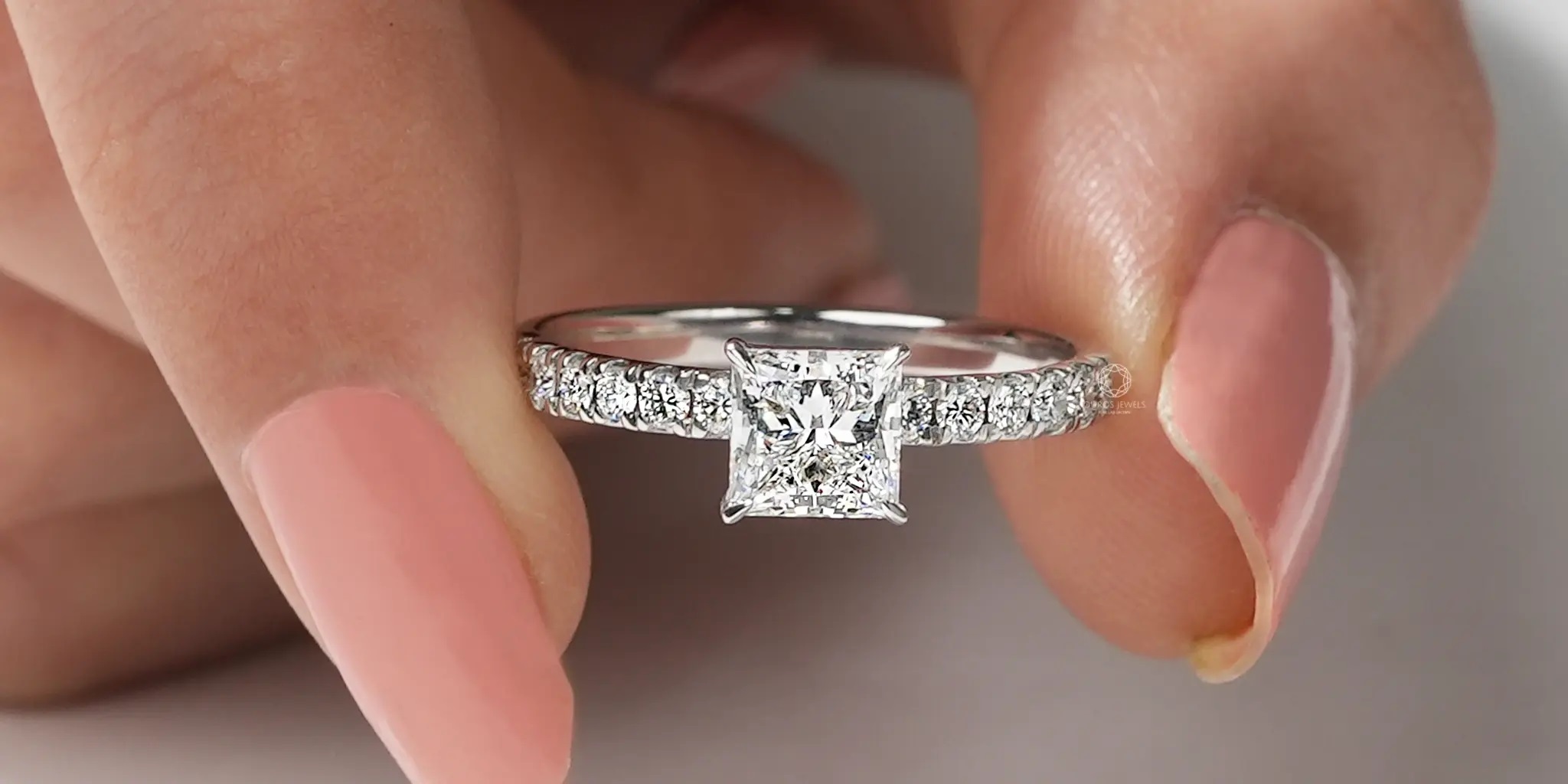
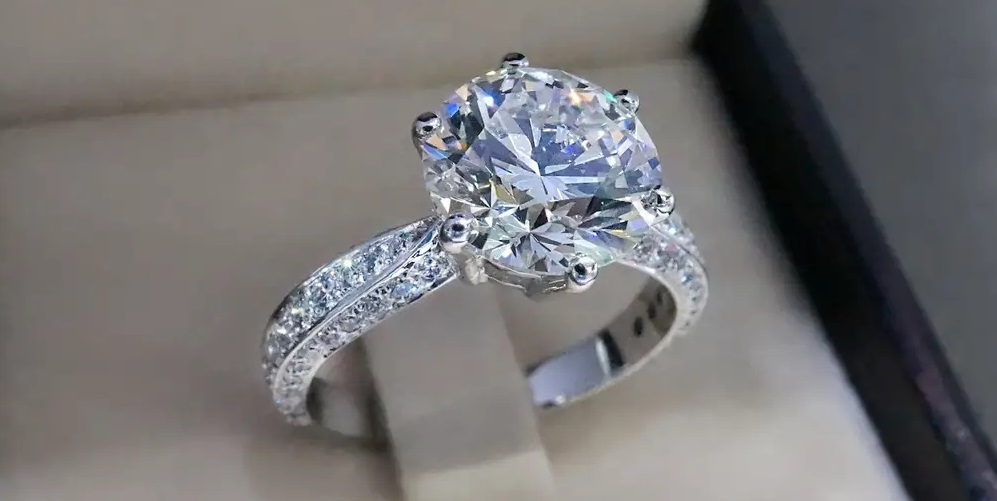
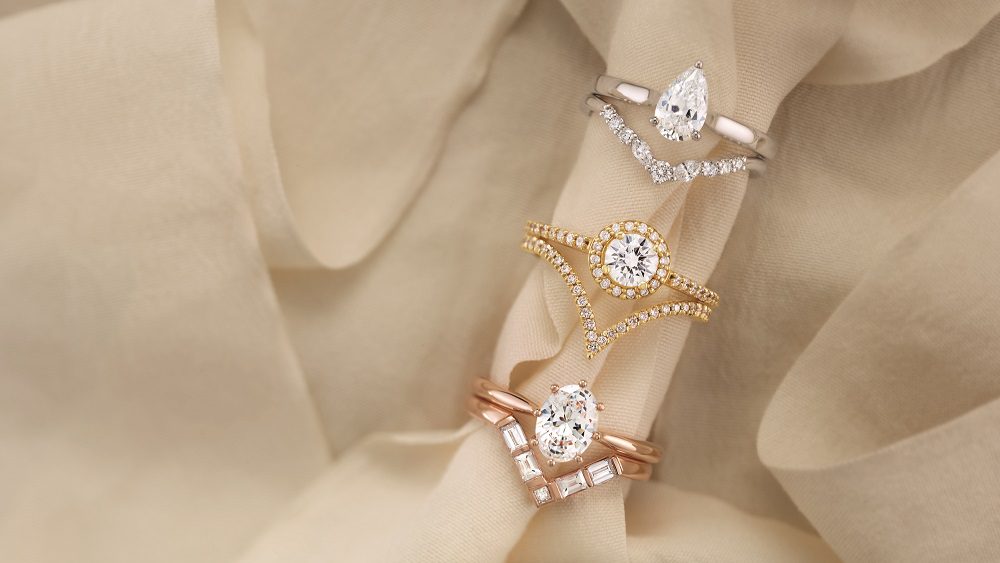
Diamonds remain the most popular choice largely due to the influence of the De Beers “A diamond is forever” campaign from the mid-20th century. White gold platinum and yellow gold are the most common metals with settings ranging from the classic solitaire to elaborate halo designs.
Proposals are often planned as special events sometimes involving elaborate setups or public declarations. In North America the expectation is usually that the person proposing will present the ring during the proposal though couples sometimes shop together beforehand.
The United Kingdom and Ireland
The UK shares many engagement traditions with North America but there are subtle differences. British engagement rings often feature colored gemstones particularly sapphires. The most famous example is the sapphire engagement ring worn by Princess Diana and later by Catherine Princess of Wales.

In Ireland the Claddagh ring is a traditional choice symbolizing love loyalty and friendship. It features two hands holding a heart topped with a crown. The way the ring is worn indicates the wearer’s relationship status. When worn on the right hand with the heart facing outward it means the wearer is single. Facing inward means they are in a relationship. On the left hand heart inward it signifies engagement and heart outward means marriage.
France
In France engagement rings are known for their elegance and subtlety. While diamonds are popular they are often smaller than in North American styles. Colored gemstones such as sapphires emeralds and rubies are also common. French engagement rings often feature delicate designs with fine details rather than large central stones.
Engagements in France are typically more private affairs. Couples may choose the ring together and the proposal might be understated focusing more on the personal significance than on spectacle.
Italy
In Italy the engagement ring is a cherished symbol though it is often part of a larger jewelry tradition. Many Italian couples favor ornate gold designs and vintage styles. While diamonds are popular some families pass down heirloom rings that may feature colored gemstones or intricate filigree work.
The engagement period is seen as a time for families to become acquainted and for wedding preparations to begin. Public proposals are becoming more common particularly among younger generations influenced by global trends.
Germany and Other Parts of Central Europe
In Germany engagement rings are typically worn on the left hand until the wedding when they are moved to the right hand. This reflects a broader European tradition where the right hand is often reserved for wedding bands.
Rings in Germany are often simpler in design than in North America with plain gold or silver bands being common. Gemstones are optional and when included they tend to be smaller and set in minimalist styles. Many couples choose matching engagement rings and both partners may wear one during the engagement.
The Nordic Countries
Sweden Norway Denmark and Finland share a unique approach to engagement rings. In these countries both partners traditionally receive and wear engagement rings. These rings are usually plain gold or silver bands and are worn on the left hand. The wedding bands are added later during the ceremony.
Diamonds are becoming more common but the cultural emphasis remains on equality and shared symbolism. In Finland it is also common for engagement rings to be very modest with the focus on the commitment rather than the value of the jewelry.
Russia and Eastern Europe
In Russia engagement rings are worn on the right hand. Diamonds are popular but many couples choose colored gemstones as well. Engagements can be elaborate with formal announcements and large gatherings to celebrate the occasion.
In some Eastern European countries the tradition of betrothal is still alive. This involves a religious or cultural ceremony marking the engagement long before the wedding itself. Rings given at this stage may differ from the wedding bands exchanged later.
The Middle East
Engagement ring traditions in the Middle East vary greatly depending on the country and the influence of religion and local customs. In many Arab countries engagements involve elaborate celebrations and the presentation of gold jewelry rather than a single ring. Diamonds are popular but often set in intricate designs with multiple stones.
In countries like Turkey engagement rings are an important part of the engagement ceremony. Couples may also exchange gold coins and other symbolic gifts during the event.
India
In India engagement customs differ by region and religion. In many Hindu traditions the engagement or “roka” ceremony involves an exchange of gifts between families. While Western-style diamond engagement rings are becoming more popular traditional Indian engagement jewelry often features gold and colorful gemstones like rubies emeralds and sapphires.

In some communities the engagement ring is worn on the right hand since the left hand is considered less auspicious. Engagements are often large festive events with extended families participating in the celebration.
China
In China the concept of a Western-style diamond engagement ring is relatively new having become widespread only in the late 20th century. Before this betrothal gifts were more practical often including gold jewelry or other valuable items.
Today many Chinese couples embrace the diamond engagement ring tradition though the size and design of the ring can vary greatly. Some couples prefer simple solitaire designs while others opt for elaborate settings. The ring is typically worn on the left hand before the wedding.
Japan
Japan has one of the highest rates of diamond engagement ring purchases in the world. This trend began in the 1960s after an extensive marketing campaign by De Beers which positioned diamonds as an essential part of a proposal.
Japanese engagement rings are often elegant and minimalist reflecting the country’s aesthetic values. Platinum is a popular choice for the band due to its durability and understated beauty. Proposals in Japan are often private moments between the couple without public spectacle.
Latin America
Engagement ring traditions in Latin America vary widely. In Mexico engagement rings are typically worn on the left hand. Proposals can be grand or intimate depending on personal preference but family involvement is usually significant.
In countries like Brazil both partners often wear engagement rings on their right hands. These are moved to the left hand after the wedding. Designs may feature plain bands or include gemstones with diamonds being a popular choice.
Africa
Africa is home to diverse engagement traditions. In South Africa diamond engagement rings are common especially given the country’s history as a major diamond producer. Platinum and gold are the preferred metals with styles ranging from classic solitaires to bold contemporary designs.
In other African nations cultural traditions often involve the exchange of gifts between families rather than a focus on a single engagement ring. Jewelry may be part of the exchange but it is often accompanied by symbolic items representing the union of two families.
Modern Global Influences
Globalization social media and celebrity culture have blurred the lines between regional traditions. Couples around the world are increasingly blending customs to create engagement rituals that feel personal and unique. It is now common to see an engagement ring style from one culture adopted in another sometimes with modifications to reflect local tastes.
This global exchange has also shifted attitudes toward materials and ethics. Sustainable sourcing lab-grown diamonds and vintage or recycled rings are gaining popularity across many countries. This reflects a growing awareness of environmental and social issues tied to jewelry production.
Conclusion
Engagement ring etiquette is as varied as the cultures that shape it. From the understated elegance of a French sapphire ring to the bold diamond traditions of North America every custom tells a story about love heritage and societal values.
While traditions still hold strong in many places modern couples are increasingly making their own rules. Whether by choosing a ring that reflects their shared history or by blending elements from different cultures they are reshaping what engagement means in a globalized world.
The beauty of engagement rings lies not just in the stones or metals but in the meaning they carry. They are physical symbols of a promise and no matter where you are in the world that promise remains timeless.…